
Dental Implants in Hazlet, NJ

A missing tooth can do more than leave a gap in your smile—it can affect how you eat, speak, and feel about yourself. Dental implants provide a permanent, natural-looking solution, allowing you to regain a strong, secure, and fully functional smile.

Unlike traditional bridges or dentures, implants fuse directly to the jawbone, creating unmatched stability and long-term durability. They look, feel, and function like real teeth—so you can eat, speak, and smile with confidence.
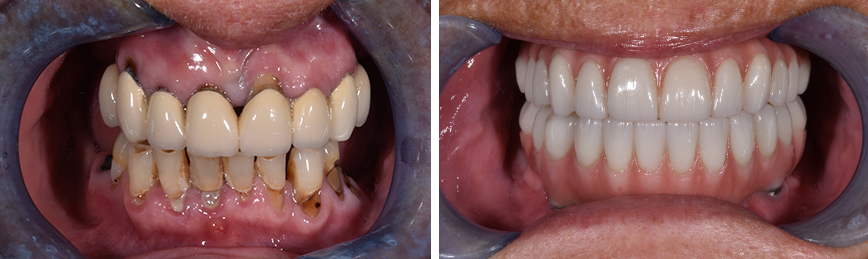
Not sure if implants are right for you? A comprehensive evaluation will help determine whether you’re a good candidate.

Explore your options below:

Tooth Implants

  • The Problem: Missing teeth can make chewing difficult, affect your speech, and lead to shifting teeth or bone loss over time.
  • The Solution: Dental implants offer the most lifelike tooth replacement available. The process begins with a small titanium post, which is surgically placed into the jawbone to act as a sturdy root for your new tooth. Over the next few months, the bone heals and fuses to the implant, creating a solid foundation. Once fully integrated, a custom-made crown is attached to complete your smile.

    If multiple teeth are missing, implants can also serve as anchors for bridges, providing a stable, long-term alternative to removable dentures.

  • Alternative Options: Bridges or removable partial dentures may be considered if dental implants aren’t the right fit for you.

Implant Dentures

  • The Problem: Loose or ill-fitting dentures can make eating uncomfortable, cause sore spots, and shift while speaking—leading to frustration and discomfort.
  • The Solution: Implant-supported dentures offer a secure, comfortable alternative to traditional dentures. Two to four implants are placed in the jawbone, acting as anchors. Once healed, a custom denture is designed to snap securely onto the implants, eliminating the slipping and irritation associated with traditional dentures.

    There are two types of implant dentures:

    • Implant-Retained Dentures: These attach to implants but still rely on gum and bone support.
    • Implant-Supported Dentures: Designed for patients with less bone support, these are primarily held in place by a bar connected to the implants.

  • Alternative Options: For some patients, a new set of traditional dentures may be an alternative if implants aren’t the right choice.

Implants vs. Bridges: What’s the Difference?

Trying to choose between a dental implant and a bridge? Dr. Aydin explains the key differences—including one major advantage of implants: they don’t require drilling the healthy teeth next door. See what each option involves and why preserving natural tooth structure matters.

Frequesntly Asked Questions About Dental Implants

Most patients say the procedure is much easier than they expected. You’ll be completely numb during placement, and many people return to normal activities the next day. Any soreness afterward is usually mild and can be managed with over-the-counter medication.

Most implant cases take 3–6 months, depending on healing and whether additional steps like bone grafting are needed. Some patients qualify for faster timelines, and we’ll outline your exact treatment plan at your consultation.

A bone graft adds support to areas where the jawbone has thinned or shrunk. Not everyone needs one, but it helps create the stability an implant needs to last long-term. We’ll evaluate this with digital imaging to see if it’s necessary.

Yes. Dental implants have a long history of success and are considered one of the safest and most predictable dental procedures. We use high-quality materials and precise planning to ensure a stable, healthy outcome.

Most patients experience mild swelling or tenderness for a couple of days. You can usually return to normal activities within 24 hours, and we provide simple home-care instructions to help the area heal smoothly.

Most healthy adults qualify for implants. We’ll take digital imaging to make sure your jawbone is strong enough and review your medical history. Even if you’ve been told you’re not a candidate before, modern techniques have expanded options for many patients.

Smoking doesn’t automatically disqualify you, but it can slow healing and increase risk of complications. If you smoke, we’ll discuss how to support a successful outcome and whether temporary adjustments are needed.

Yes. The crown attached to your implant is custom-made to match the color, shape, and size of your natural teeth. Most people cannot tell which tooth is the implant.

Implants are cared for just like natural teeth: brushing, flossing, and routine hygiene visits. Good home care helps protect the gum tissue around the implant and ensures long-term success.

In most cases, yes. If an implant didn’t integrate properly or has been damaged over time, we can often replace it after evaluating the area and giving it time to heal.

Full-arch implants replace an entire upper or lower arch of teeth using a small number of implants for stability. This treatment is ideal for patients with failing teeth, denture frustration, or complex dental concerns.

New Patient Offer

$199 Whitening for Life

Ready for your next checkup? Contact us today to schedule an appointment!